Kerb Painting Machine

Request a Free Quote
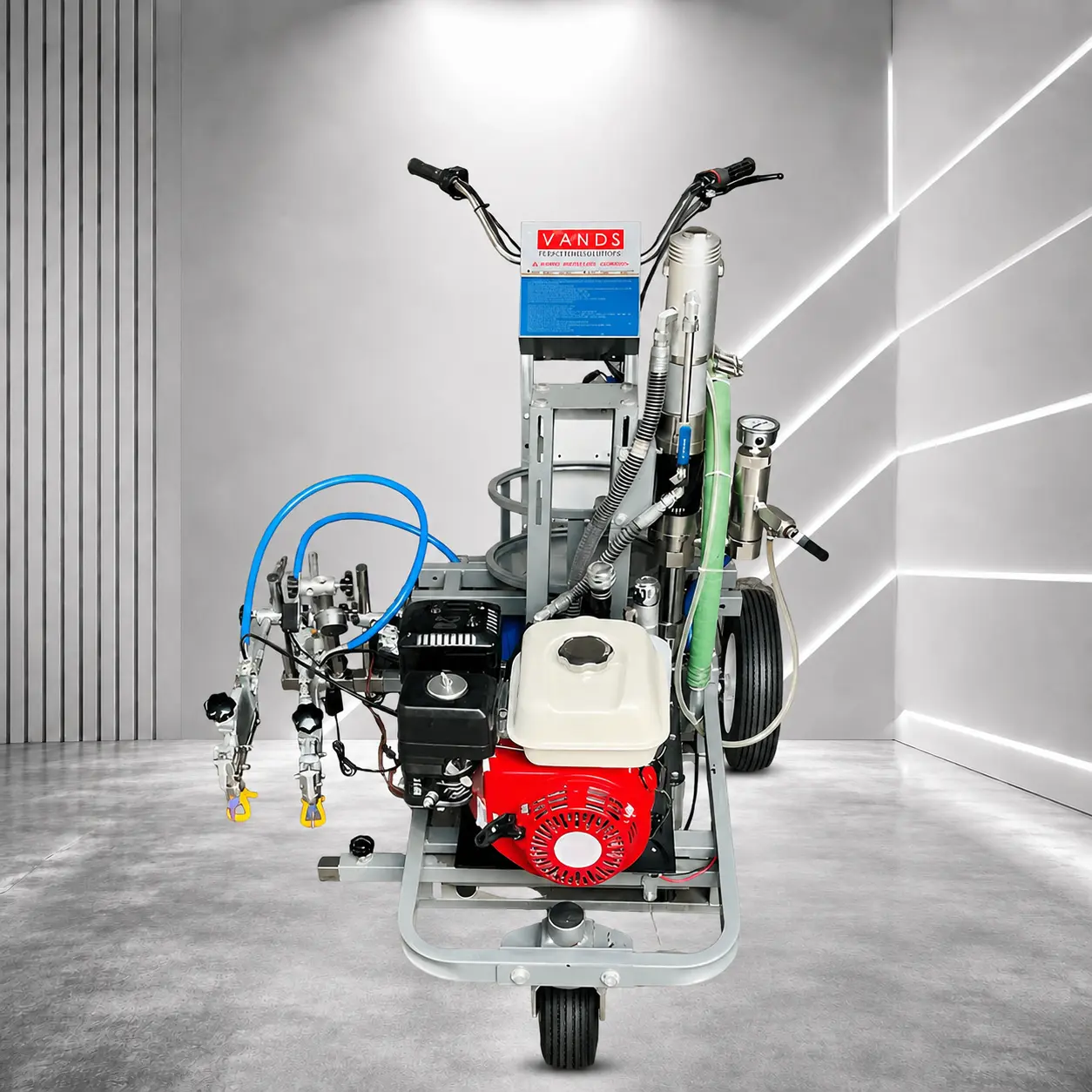


    Kerb Painting Machine

    Rated Input Power
    Honda Engine
    Flow
    12 L/min both nozzles
    Pressure
    3300 PSI
    Pressure Control
    Manual / Digital
    Max Tip
    0.043"
    Weight
    140 kg
    icon About Our Product

    Kerb Painting Machine: Sharper Road Markings, Built to Last

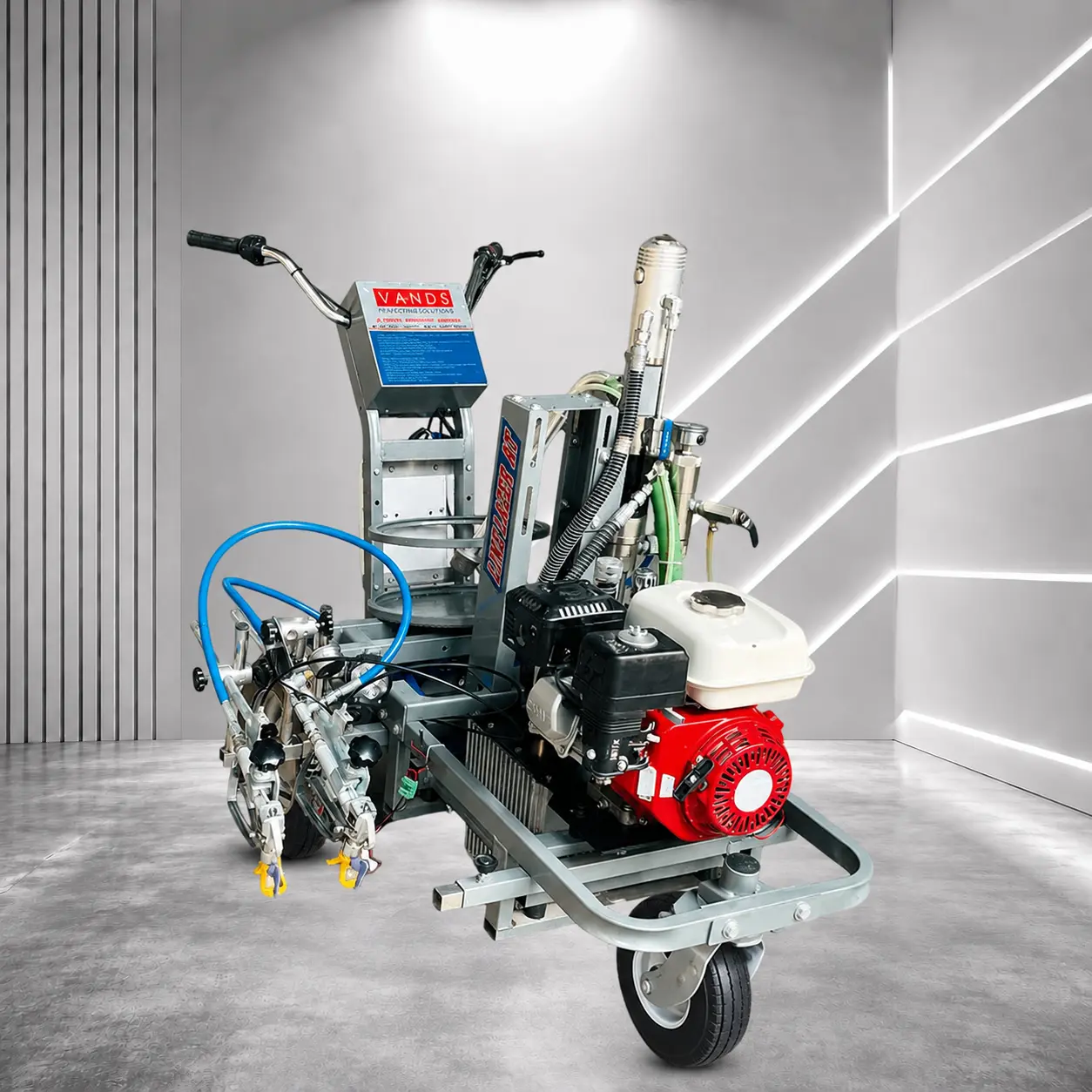
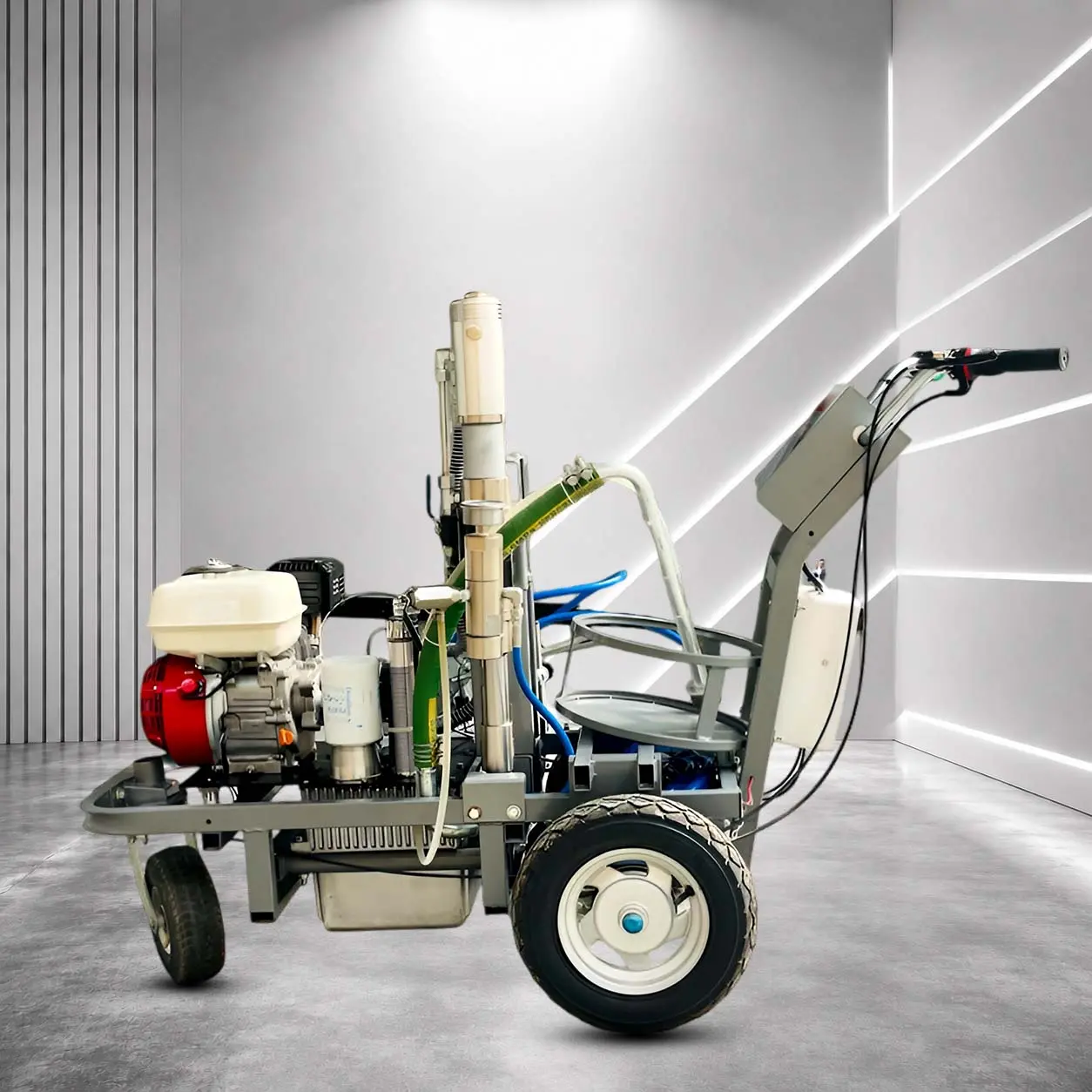
    Kerb Painting Machine sprays paint over the borders of roads, walkways, curbs, and other surfaces. It is used to delineate borders, provide directions, and issue a caution to cars and pedestrians. A kerb painting equipment can improve the road’s visibility, safety, and attractiveness. It is outfitted with a gasoline engine, a hand-driven diaphragm pump, and a reverse decontamination nozzle. Both before and after the gadget has a gun rack, and it can take a lengthy tube to help finish the road tooth edges and uneven patterns. Being one of the reliable Kerb Painting Machine Suppliers in India, we provide the best kerb painting machines and our products are incredibly durable and are acclaimed for their trouble-free operation.

    Our 100% Satisfaction Guarantee Let's Work Together

    Arrowsd
    Contact us Now (+91) 88820-57687

    Manufacturing Durable Kerb Painting Machines for Road Safety Projects

    Vands Engineering Solutions is a prominent producer, supplier, and exporter of kerb painting equipment like automatic kerb painting machines, and other similar things. We also specialize in creating bespoke models based on the needs of the customer. We have been manufacturing painting machines for decades and have manufactured machines that offer a solution to any road marking difficulty. These painting machines offer the benefits of consistent pressure, strong adhesion, coating homogeneity, line application, flexibility, and efficiency, and are extensively utilized. To get your desired painting machine, you may contact us!

    Kerb Painting Machine 4

    Key Features of Kerb Painting Machine

    01. Powerful 6.0HP motor
    gives the machine enough power to maintain steady pressure across long stretches of road without slowing down.
    lets the operator dial in and hold consistent pressure, instead of guessing or adjusting manually mid-job.
    delivers paint at high pressure through the hose, keeping the line thickness even from start to finish.
    breaks the paint into fine droplets and throws a clean, fan-shaped spray, which is what gives kerb lines that sharp, defined edge.
    covers longer road sections in less time, which matters a lot on bigger government or highway projects.
    runs two guns off the same unit when needed, useful for wider markings or faster coverage on large jobs.
    icon Applications

    Where Kerb Painting Machine Are Used?

    Airports

    service4icon-1
    Marks runway edges, taxiways, and safety zones with the kind of precision and durability aviation authorities actually insist on.

    Highways

    service4icon-1
    Gets through long highway stretches fast, keeping lane markings and edge lines looking consistent over big distances.

    Bike Paths

    service4icon-1
    Puts down clean, even lines along cycling routes, so both cyclists and drivers know exactly where the shared boundaries are.

    Sports Fields

    service4icon-1
    Handles field marking where line accuracy genuinely affects how a game plays out, not just how it looks.

    Parking Lots

    service4icon-1
    Marks out bays and directional lines quickly, without the crooked edges manual painting tends to leave behind.

    City Signages and Expressways

    service4icon-1
    Covers civic markings and expressway lane lines efficiently, and holds up well despite constant traffic and weather.

    Frequently Asked Questions

    01. What does the 210 bar pressure rating actually mean for the job?
    That’s the maximum pressure the pump can push paint through at. Higher pressure means better atomization, so the lines come out sharper, and it also lets the machine handle thicker road-marking paint without clogging up. For most highway and kerb work, running closer to that upper range tends to give the most consistent results.
    Clean the pump, hose, and nozzle after every job – dried paint is what causes most blockages. Check the diaphragm or piston pump for wear now and then, keep the motor serviced on schedule, and once the line width or spray pattern starts looking off, that’s the nozzle tip telling you it needs replacing.
    Usually it’s a worn or clogged nozzle tip, pressure that isn’t staying consistent, or paint that’s a bit too thick for the tip size in use. Cleaning or swapping the nozzle, and double-checking the pressure setting matches the paint type, fixes most of these problems.
    Several years of solid use, assuming it’s serviced regularly and stored properly. The pump and nozzle tip wear out first, and how soon depends mostly on how often it runs and how well it gets cleaned after each job.
    A single-gun setup uses a larger tip size (0.031″) and is suited for standard line marking work. A two-gun setup uses smaller tips (0.019″ each) and lets you run two spray lines at once, which speeds up coverage on bigger projects like highways or airport runways where time matters.
    Yes, the same machine handles both, though the paint type and line width usually differ. Road marking paints need to withstand vehicle traffic and weather, while sports field paint is chosen for visibility and safety on turf. The pressure and tip settings can be adjusted depending on the surface and paint used.