Almen Strip

icon About Our Product

Almen Strip for Reliable Shot Peening Intensity Testing

Every shot peening intensity reading is only as good as the strip used to take it. Use an inconsistent one — wrong hardness, wrong thickness, poor material quality — and your Almen gauge ends up giving you numbers that don't actually reflect the real peening intensity. An Almen strip is a small, simple piece of steel, but it's the actual test specimen behind every intensity measurement in shot peening work, and its quality matters just as much as the gauge itself.

Vands Engineering Solutions manufactures and supplies these strips for shot peening quality control across India. As one of the established Almen Strip Manufacturers in India, we know this small component has one job to do, and it needs to do it consistently, batch after batch, or the whole peening intensity test loses its meaning.

Our 100% Satisfaction Guarantee Let's Work Together

Arrowsd
Contact us Now (+91) 88820-57687

What Is an Almen Strip?

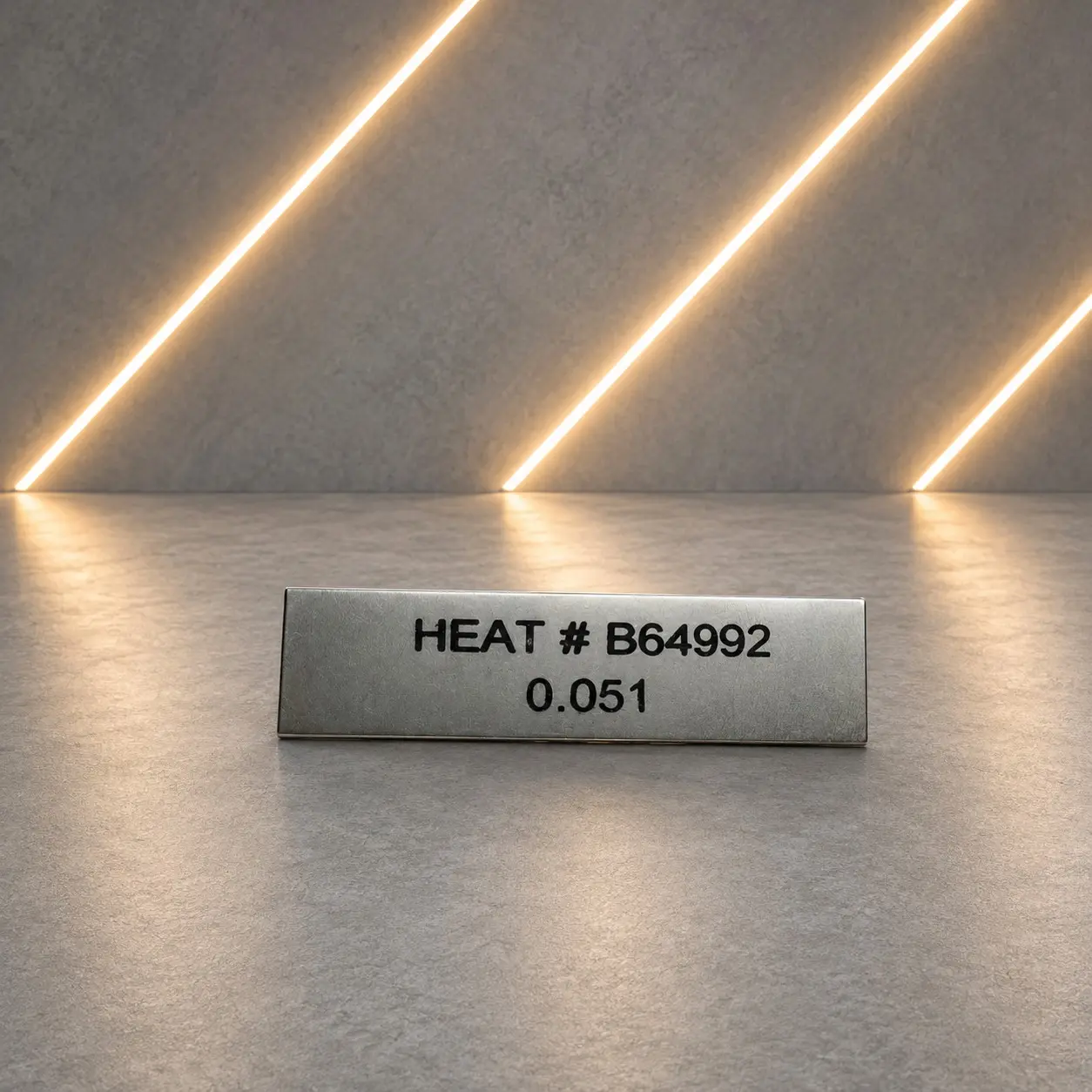
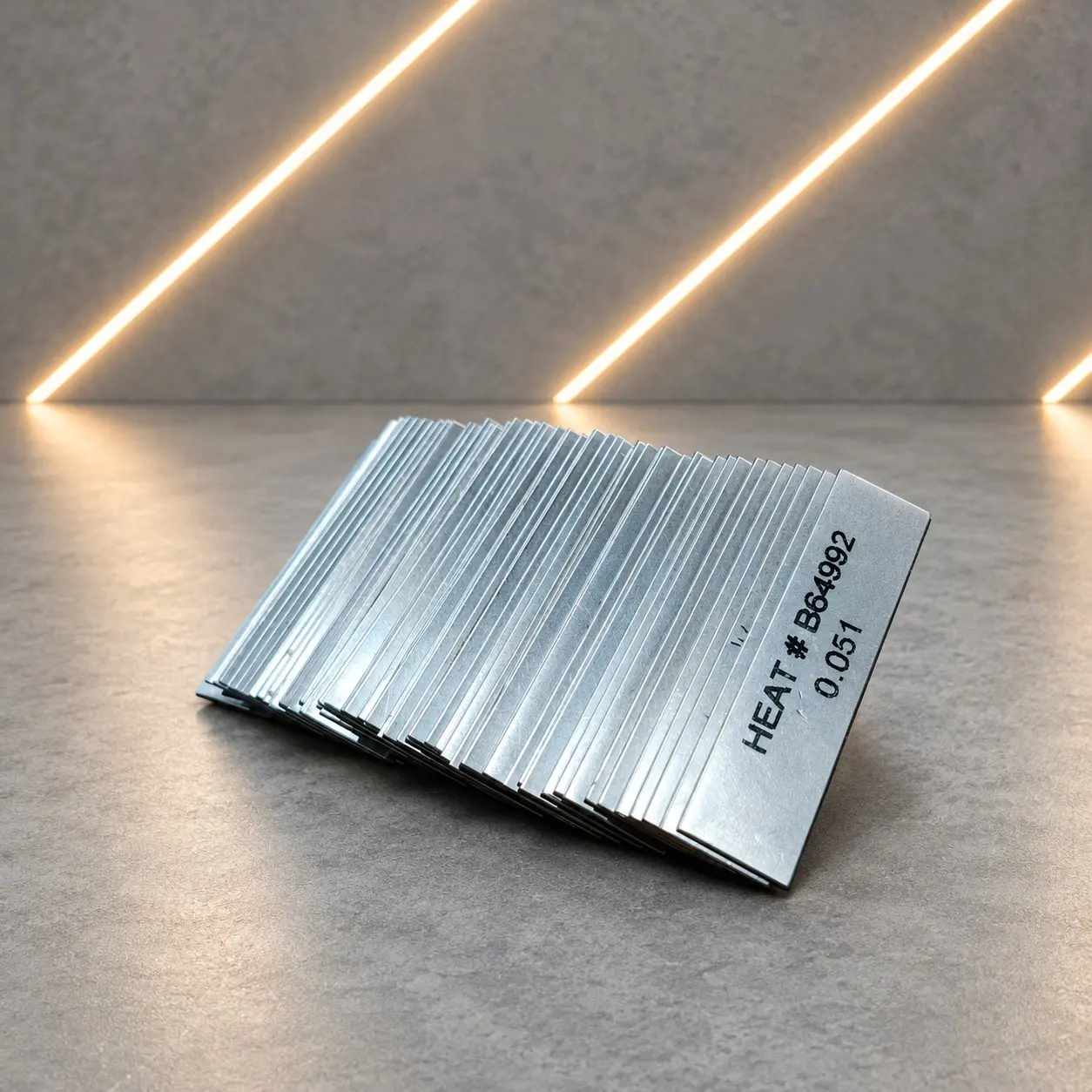
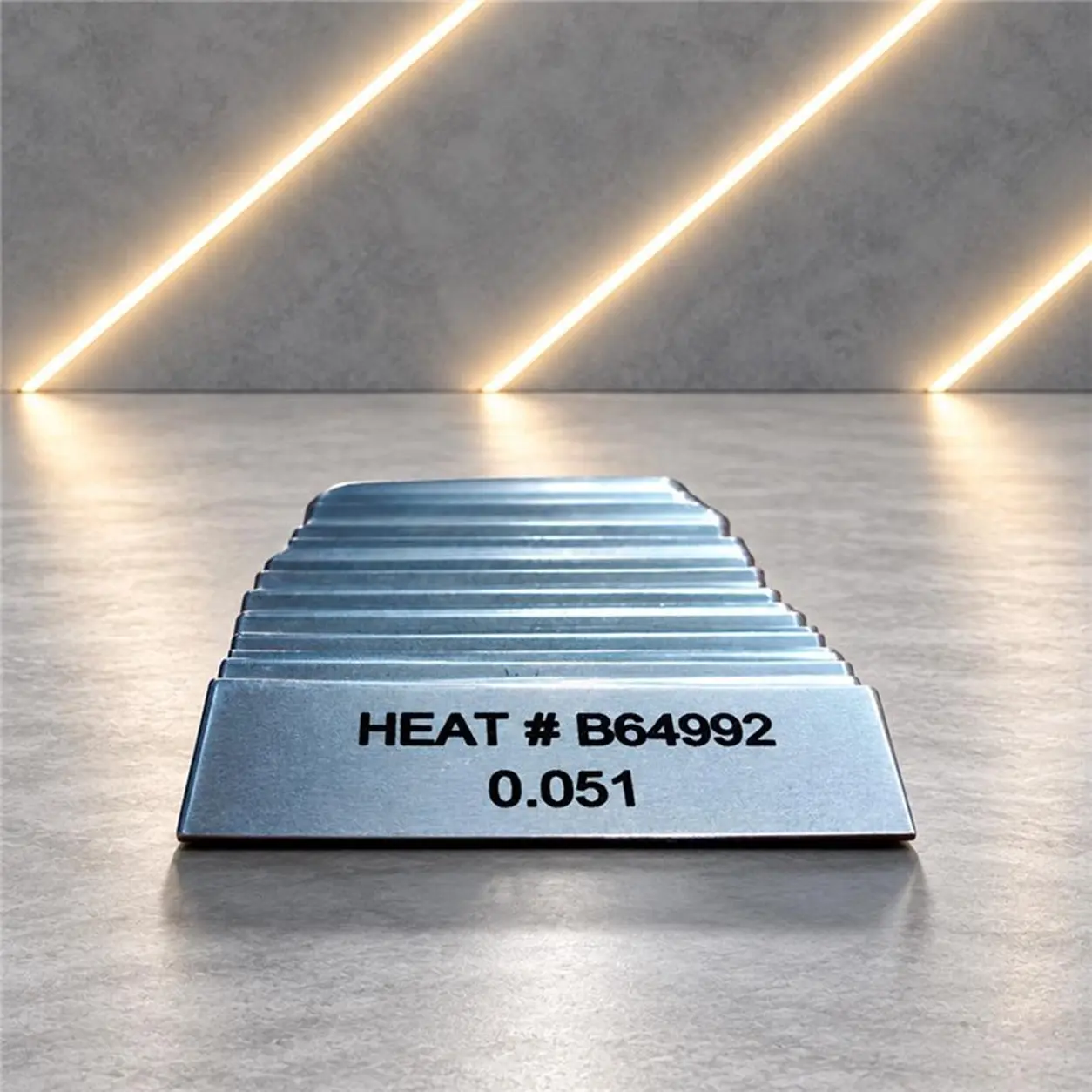
It's a thin, flat piece of SAE 1070 steel, hardened to around 45 HRC, used to measure the intensity of a shot peening process. When one side of the strip is peened, the compressive stress introduced makes it curve slightly, and that curvature — the arc height — is measured on an Almen Strip Test Gauge to determine peening intensity.

These test pieces come in three standard types: A, N, and C. Type A is used mainly for shot peening with cast shot or cut wire shot at medium intensity. Type N is thinner and suited to lower-intensity work like glass bead or ceramic bead peening. Type C is thicker and used less often, mainly for higher-intensity applications. Each one is a single-use specimen, so consistent quality across every batch is what keeps your intensity readings reliable over time.

icon Vands Engineering Solutions

Top Benefits of Using Quality Almen Strips

Accurate, Repeatable
Readings

service4icon-1
1. Consistent hardness means the curvature reading doesn't jump around from piece to piece
2. Less variation between one test batch and the next
3. Intensity readings you can actually rely on when making quality decisions

Meets Industry Specification Requirements

service4icon-1
1. Made to match the material and hardness that SAE, AMS, and MIL specifications actually call for
2. Works well for aerospace, automotive, and rail testing where documented compliance isn't optional
3. Cuts the risk of failing an audit because the test specimen itself wasn't up to standard

Available Across All Standard Types

service4icon-1
1. Type A, N, and C strips between them cover pretty much every peening intensity application
2. Easy to match the right one to whatever peening media your process uses
3. No need to juggle multiple suppliers just to get different types

Cost-Effective for Routine Testing

service4icon-1
1. Affordable enough to use for frequent, single-use testing without thinking twice
2. Keeps regular quality checks from adding much cost per test
3. Bulk supply available for facilities running high-volume peening work
Almen-strip

Key Features of the Almen Strip

01. SAE 1070 steel construction
the standard material specified for this kind of testing across most industry specifications.
keeps curvature readings accurate and comparable across different test batches.
covers medium, low, and higher-intensity peening applications.
manufactured to consistent dimensions so they fit correctly on standard gauges and strip holders.
each one gives a clean, uncontaminated reading, which is exactly how the test is meant to work.
works with magnetic and mechanical holders used across the industry.
icon Applications

Where Almen Strips Are Used?

Aerospace Component Testing

service4icon-1
Verifying peening intensity on structural and fatigue-critical parts, where documented, traceable test results are a strict requirement.

Automotive Manufacturing

service4icon-1
Checking peening intensity on springs, gears, and other stress-bearing components as part of routine production quality control.

Metal Finishing Facilities

service4icon-1
Regular intensity testing during shot peening as part of a broader surface treatment quality process.

Rail and Heavy Engineering

service4icon-1
Confirming peening intensity on components exposed to repeated stress cycles, where component reliability is directly tied to safety.

Why Buyers Choose Vands Engineering Solutions?

service4icon-1

Consistent Material Quality

steel sourced and processed to match the hardness and composition standards this test actually needs.
service4icon-1

Pan-India Supply

delivery across Delhi NCR and buyers nationwide.
service4icon-1

Full Range of Types

A, N, and C available, along with compatible gauges and strip holders.
service4icon-1

Honest Pricing

straightforward quotes without inflated numbers.
service4icon-1

Batch Consistency Checked

quality checks in place to reduce variation between production batches.

As one of the trusted Almen Strip Suppliers in India, we work with aerospace suppliers, automotive manufacturers, and metal finishing facilities that depend on this consistency to keep their peening intensity data meaningful.

Frequently Asked Questions

01. What is an Almen gauge used for?
It measures the arc height of an Almen strip after shot peening, which tells you how intense the peening process was. This reading is compared against a specification range to confirm whether a component has been peened correctly, making it a core part of quality control in shot peening operations across several industries.
An unpeened Almen strip is first placed on the gauge with the dial set to zero. After peening, the strip curves slightly due to compressive stress, and this same strip is placed back on the gauge to measure that curvature, called the arc height, which is read directly off the gauge’s dial or digital display.
Almen strips come in three types — A, N, and C — each suited to different peening intensities and media. Type A is commonly used with cast shot or cut wire shot for medium-intensity work, Type N suits glass bead or ceramic bead peening at lower intensities, and Type C is thicker, used more rarely for higher-intensity applications.
If peening intensity is too low, the compressive stress layer won’t be deep enough to meaningfully improve fatigue resistance, so the part won’t perform as intended even though it went through the process. If it’s too high, it can damage the surface or cause excessive material removal, which can actually reduce the fatigue life it was meant to improve.
Almen strip and gauge testing is referenced in specifications like SAE J442, AMS2430, and MIL-S-13165, among others. Industries like aerospace and automotive typically call out an exact Almen intensity range in their component specifications, and the gauge is what confirms whether the actual peening process met that requirement.
A digital Almen gauge generally offers faster, more direct readings and can reduce reading errors compared to a standard analog dial gauge. That said, standard gauges remain widely used and accepted across the industry, so the right choice often comes down to testing volume and whether digital record-keeping is a priority for your facility.
You can buy directly from Vands Engineering Solutions, a trusted Almen gauge manufacturer and supplier in India, with delivery across Delhi NCR and pan-India. We also supply compatible Almen strips and strip holders, so you can source everything needed for peening intensity testing from one place.
Almen strip (1)
Ready to Get a Quote?
Whether you need a single Almen gauge for occasional testing or a full setup for regular production quality checks, we can help you find the right fit for your peening process.

Needs Any Help?

Get in touch with Vands Engineering Solutions today:
phone-icon.png
Call Any Time (+91) 88820-57687