
Control Cage

icon About Our Product

Control Cage for Precise, Even Abrasive Distribution

Uneven cleaning on a blasted surface usually isn't a machine problem — it's a control cage problem. This small component sits right inside the blast wheel assembly, and once it wears down or gets mismatched to the job, the abrasive stream stops landing where it should. Some areas end up over-blasted, others barely touched. A properly functioning cage is what keeps that abrasive stream aimed correctly, batch after batch.

Vands Engineering Solutions manufactures and supplies shot blasting control cages built for the demands of continuous shot blasting operations across India. As one of the established Control Cage Manufacturers in India, we know this part doesn't get much attention until it fails — so we focus on making sure it doesn't fail early.

Our 100% Satisfaction Guarantee Let's Work Together

Arrowsd
Contact us Now (+91) 88820-57687

What Is a Control Cage?

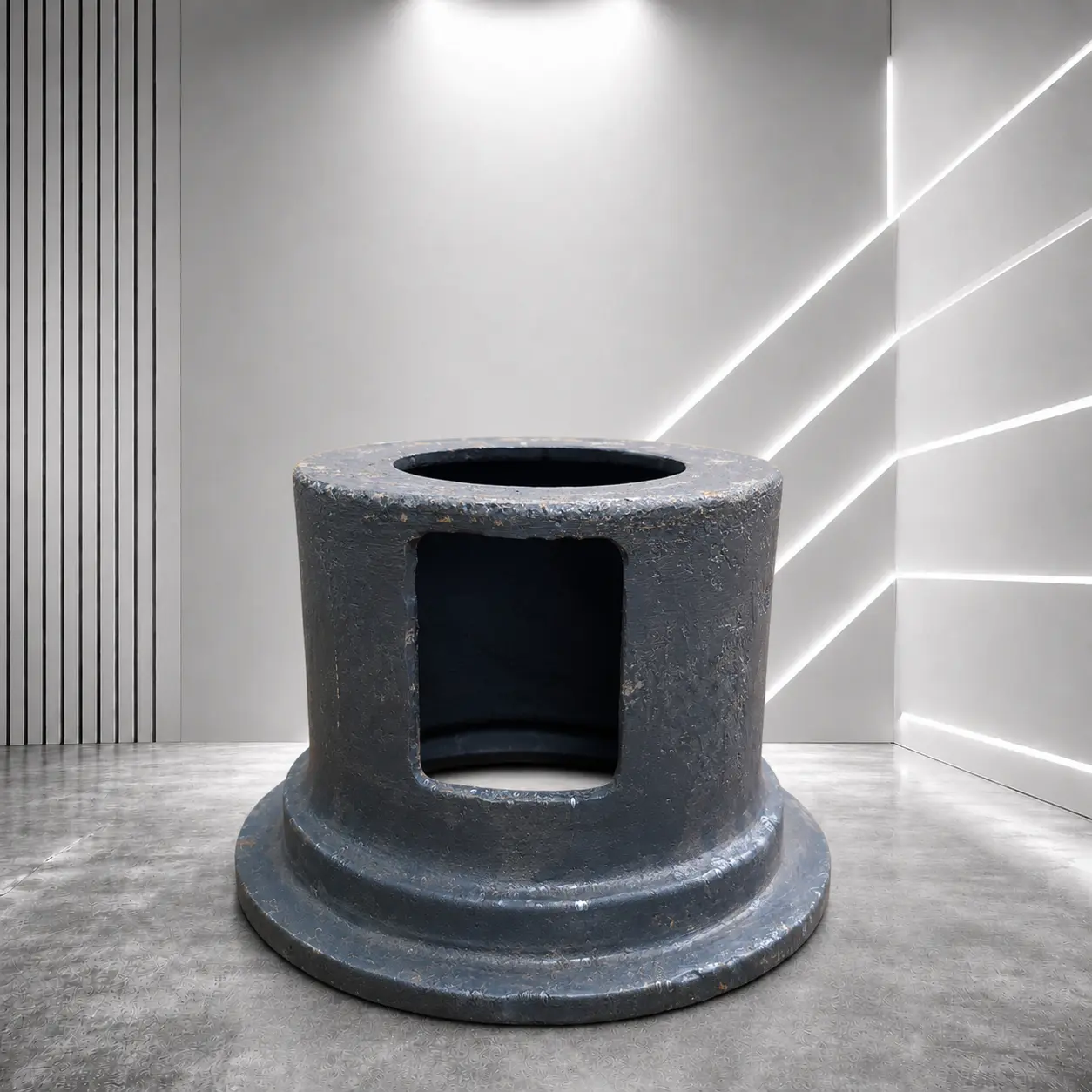
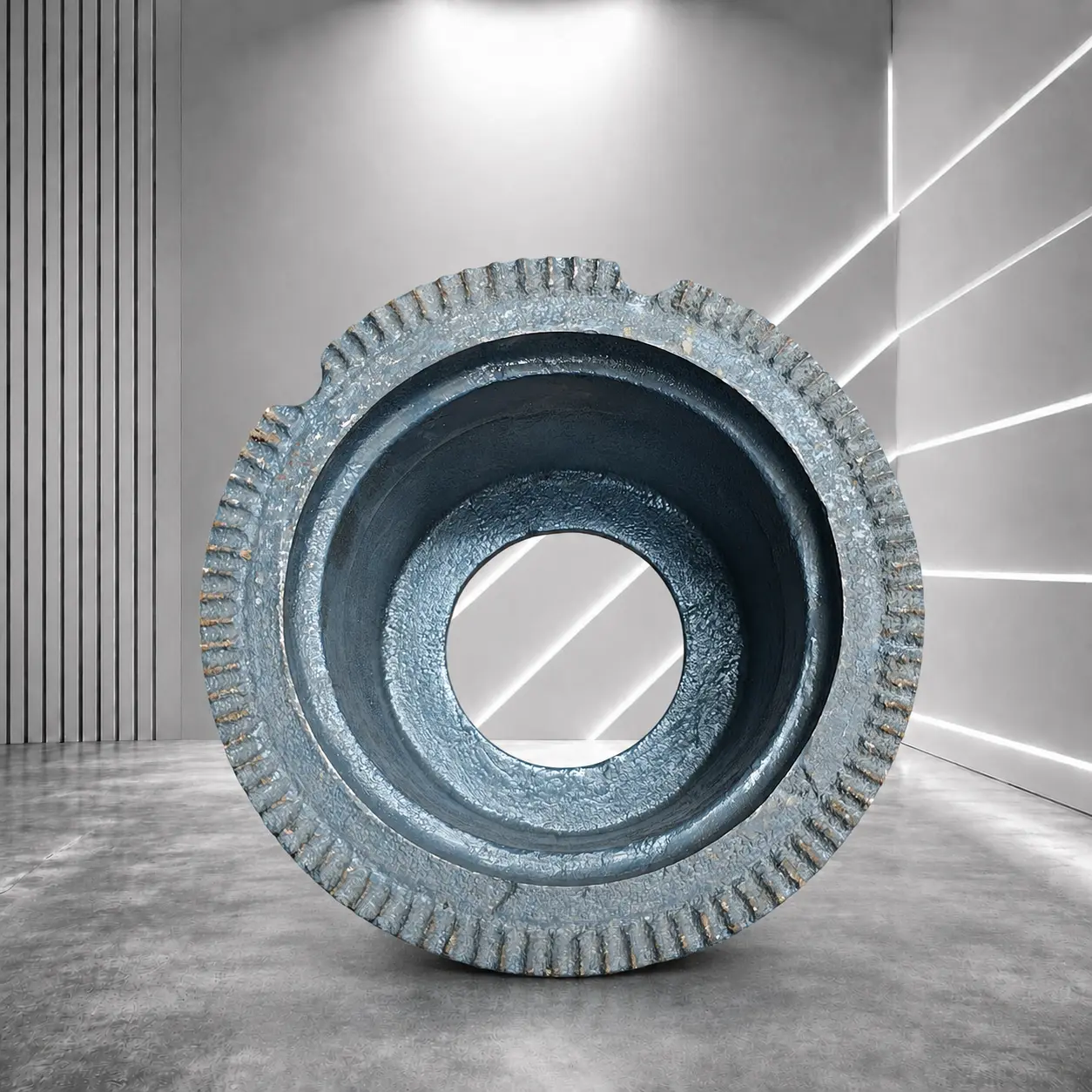
It is a component fitted inside the blast wheel housing, alongside the rotor, blades, and impeller. Its job is to control the direction and width of the abrasive stream as it's flung outward by the blades. By adjusting the opening in the cage, operators can widen or narrow the blast pattern to suit the surface being treated.

Without a properly functioning control cage, the abrasive doesn't spread evenly across the target area. You end up with inconsistent surface finish, wasted abrasive going where it isn't needed, and parts of the workpiece that don't get cleaned properly at all. That's why the Control Cage Shot Blasting setup is checked and adjusted regularly on any well-run blasting line, right alongside the blades and impeller.

icon Vands Engineering Solutions

Top Benefits of Using a Quality Control Cage

Even Abrasive Distribution

service4icon-1
1. Directs the blast pattern consistently across the target surface
2. Reduces patchy or uneven cleaning results
3. Keeps output quality steady from one batch to the next

Reduced Abrasive Wastage

service4icon-1
1. Focuses the abrasive stream where it's actually needed
2. Cuts down on abrasive that misses the target area
3. Lowers overall material cost per job

Longer Blast Wheel Life

service4icon-1
1. A well-fitted cage reduces uneven internal wear on the blast wheel assembly
2. Protects the impeller and blades from unnecessary strain
3. Keeps the whole assembly running smoothly for longer

Adjustable to the Job

service4icon-1
1. Can be set to widen or narrow the blast pattern as needed
2. Suits different part shapes and sizes without needing separate equipment
3. Gives operators real control over blasting coverage
Control cage 4 (1)

Key Features of the Control Cage

01. Multiple steel grades available
built from wear-resistant material that holds up to constant abrasive contact.
improves wear resistance and stretches out the working life of the cage.
gives a smooth, accurate fit inside the blast wheel housing, so there’s no wobble or uneven wear from a poor fit.

lets operators fine-tune the blast pattern width depending on the job.

designed to work alongside the impeller for consistent abrasive feed and direction.
fits common shot blasting machine designs, with custom sizing available where needed.
icon Applications

Where Control Cages Are Used?

Foundries and Casting Units

service4icon-1
Cleaning sand and scale off castings, where consistent blast coverage affects surface quality across every piece.

Fabrication and Steel Industries

service4icon-1
Preparing steel plates and structural components before coating, where uneven blasting shows up clearly once paint is applied.

Automotive and Forging Industries

service4icon-1
Descaling forged and machined parts on high-volume production lines, where a worn control cage can affect an entire day's output.

Shipbuilding and Heavy Engineering

service4icon-1
Large-scale blasting jobs where consistent, wide-area coverage matters more than in smaller operations.

Why Buyers Choose Vands Engineering Solutions?

service4icon-1

Wear-Resistant Materials

built from alloy grades chosen specifically for abrasive resistance, not just cost.
service4icon-1

Pan-India Supply

delivery across Delhi NCR and buyers nationwide.
service4icon-1

Precision Fit

manufactured to match standard blast wheel housings without needing on-site modification.
service4icon-1

Honest, Transparent Pricing

quotes that reflect what you'll actually pay.
service4icon-1

Every Batch Quality-Checked

tested before dispatch so you're not discovering a fitment issue after installation.
As one of the trusted Control Cage Suppliers in India, we work with foundries, fabrication units, and industrial blasting teams that need this part to perform reliably, shift after shift.

Frequently Asked Questions

01. What is a control cage used for in a shot blasting machine?
A control cage sits inside the blast wheel assembly and directs the abrasive stream as it’s thrown outward by the blades. It shapes how the abrasive spreads across the surface, which directly affects how evenly a part gets cleaned. Without it working correctly, the blast pattern becomes uneven, leading to inconsistent surface finish and wasted abrasive on areas that don’t need it.
Control cages are usually made from high chromium alloy or manganese steel, both known for holding up well against constant abrasive impact. These materials are then heat-treated to further improve hardness and wear resistance, which extends how long the cage lasts before it needs replacing, even under heavy daily blasting conditions.
The opening built into the cage determines how wide or narrow the abrasive stream spreads once it leaves the blast wheel. Operators can adjust this opening to match the blast pattern to the size and shape of the part being cleaned, giving better control over coverage, blasting speed, and how evenly the surface gets treated across its full area.
There’s no fixed timeline, since it really depends on how intensively the machine runs and what abrasive media is being used. That said, it’s generally checked alongside the blades and impeller during routine maintenance, since all three components sit in the same high-wear zone and tend to need attention around the same time.
The impeller’s job is to feed abrasive evenly into the blast wheel, while the control cage takes over from there, shaping and directing the stream as the blades throw it outward. Both parts work together as a system, but they perform distinct roles, and a fault in either one will affect the final blast pattern.
Not always. Control cages are generally manufactured to fit a specific blast wheel housing design, so a cage that works on one machine brand may not fit another without modification. It’s best to check your machine’s exact specifications against the supplier’s part range before placing an order, to avoid a fitment mismatch.
Control cage 3
Ready to Get a Quote?
Whether you need a single control cage replacement or want to stock up for your maintenance schedule, we can help you get the right fit for your blast wheel assembly.

Needs Any Help?

Get in touch with Vands Engineering Solutions today:
phone-icon.png
Call Any Time (+91) 88820-57687